
How Technology Is Changing Support for Adults With Developmental Disabilities

How Technology Is Changing Support for Adults With Developmental Disabilities
For years, developmental disability services have focused primarily on caregiving, supervision, and direct support.
While compassionate human care will always remain essential, technology is beginning to transform what independence, safety, communication, and community living can look like for individuals with developmental disabilities.
At Lifelong Support, we believe the future of care should combine both:
• Human-centered compassion
• Smart, supportive innovation
As healthcare, accessibility, and technology continue evolving, families are increasingly looking for providers who understand how modern tools can improve quality of life while preserving dignity and independence.
Technology is Expanding Independence Technology
For many individuals with disabilities, small barriers can create major daily challenges.
Technology is helping reduce some of those barriers.
Today, individuals may benefit from tools such as:
• Smart medication reminders
• Voice-activated home systems
• GPS safety tracking
• Telehealth appointments
• Electronic scheduling tools
• Communication devices for non-verbal individuals
• Smart door and safety alerts
• Remote caregiver check-ins
• Transportation coordination apps
• Fall detection systems
These tools are not about replacing human support.
They are about strengthening safety, consistency, communication, and independence.
LATEST POST

Maryland’s DDA Workforce Crisis: Why Families Are Struggling to Find Reliable Support Staff
July 2, 2026
No Comments

What Families Should Know Before Choosing a Maryland DDA Provider
July 2, 2026
No Comments
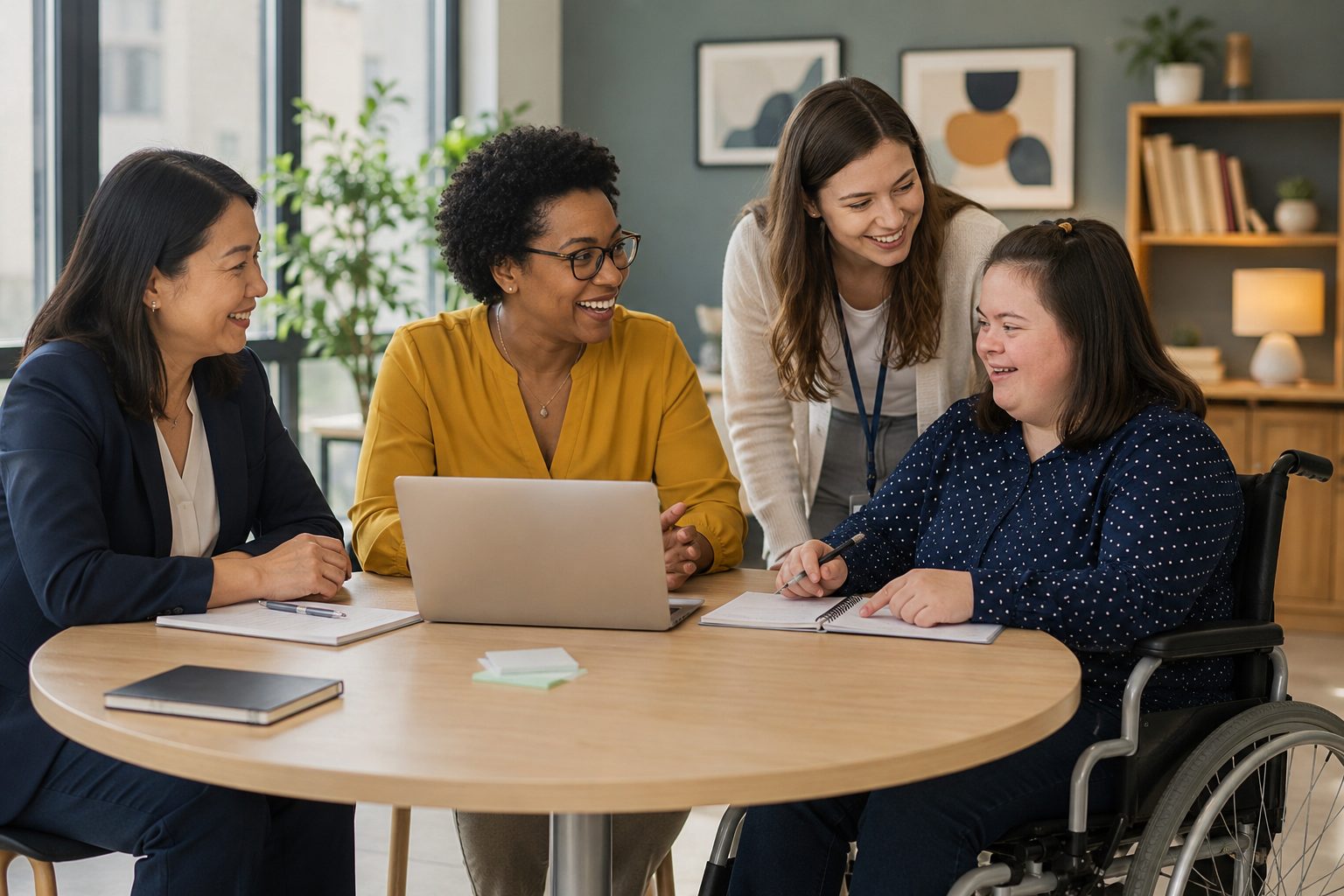
How Technology Is Changing Support for Adults With Developmental Disabilities
July 1, 2026
No Comments
Categories

Premium Senior Living Solution
Serving all counties and region in Maryland. Prior vendors, please reach out!
Our Services
Medication Monitoring and Health Support
As a pharmacist-led organization, Lifelong Support understands how important medication safety and monitoring can be.
Medication-related complications are one of the most overlooked risks within vulnerable populations.
Missed doses, duplicate medications, side effects, interactions, and inconsistent adherence can significantly affect health, behavior, mood, and daily functioning.
Technology can help improve medication safety through:
• Smart medication reminders
• Electronic medication tracking
• Automated refill alerts
• Digital care coordination
• Telehealth medication reviews
• Shared communication between caregivers and healthcare teams
Our long-term vision includes integrating thoughtful systems that improve oversight while still preserving individualized care and human connection.
Supporting Communication and Engagement
Technology is also helping individuals communicate and participate in new ways.
For individuals who are non-verbal or have communication challenges, assistive communication tools can create opportunities for:
• Self-expression
• Choice-making
• Social interaction
• Education
• Relationship-building
• Community engagement
This matters because communication is directly connected to dignity and autonomy.
When individuals can better express needs, preferences, discomfort, goals, and emotions, their quality of life improves.
Smart Homes and Safer Living Environments
Modern accessibility technology is changing residential support environments.
Features such as:
• Voice-controlled lighting
• Automated locks
• Motion sensors
• Safety alarms
• Smart thermostats
• Wandering prevention systems
• Remote wellness monitoring
can help create safer, more supportive living spaces.
For families, these systems can also provide peace of mind
Continue Reading
The Human Inside Innovation
At Lifelong Support, we believe innovation should never remove compassion.
Technology should support people — not replace people.
No software system can replace:
• Human connection
• Patience
• Compassion
• Trust
• Advocacy
• Emotional support
But when used thoughtfully, technology can help caregivers provide safer, more responsive, and more individualized support.
Preparing for the future of care
The developmental disability field is changing.
Families increasingly want providers who understand:
• Healthcare complexity
• Technology integration
• Data and documentation systems
• Remote coordination
• Medication safety
• Communication tools
• Community accessibility
• Modern independence models
Lifelong Support was founded with a vision that combines compassionate caregiving with innovation, operational excellence, and long-term thinking.
With leadership backgrounds in healthcare and technology, our goal is to help create support systems that are not only caring — but forward-thinking, responsive, and prepared for the future.
Because the future of disability support should not simply be about managing limitations.
It should be about expanding possibilities.

Author : Troy Bundy
Co-Founder & Chief Operating Officer
Share this post :
Facebook
Twitter
LinkedIn
Pinterest